





















 Discover Ecuador
Tour Operators
BUENTRIP · ECUADOR
Find your next destination, a place to stay and experiences with local tourism businesses.
Local businesses · Direct contact · Travel your way
Tourism services in Ecuador
One country. Four worlds.
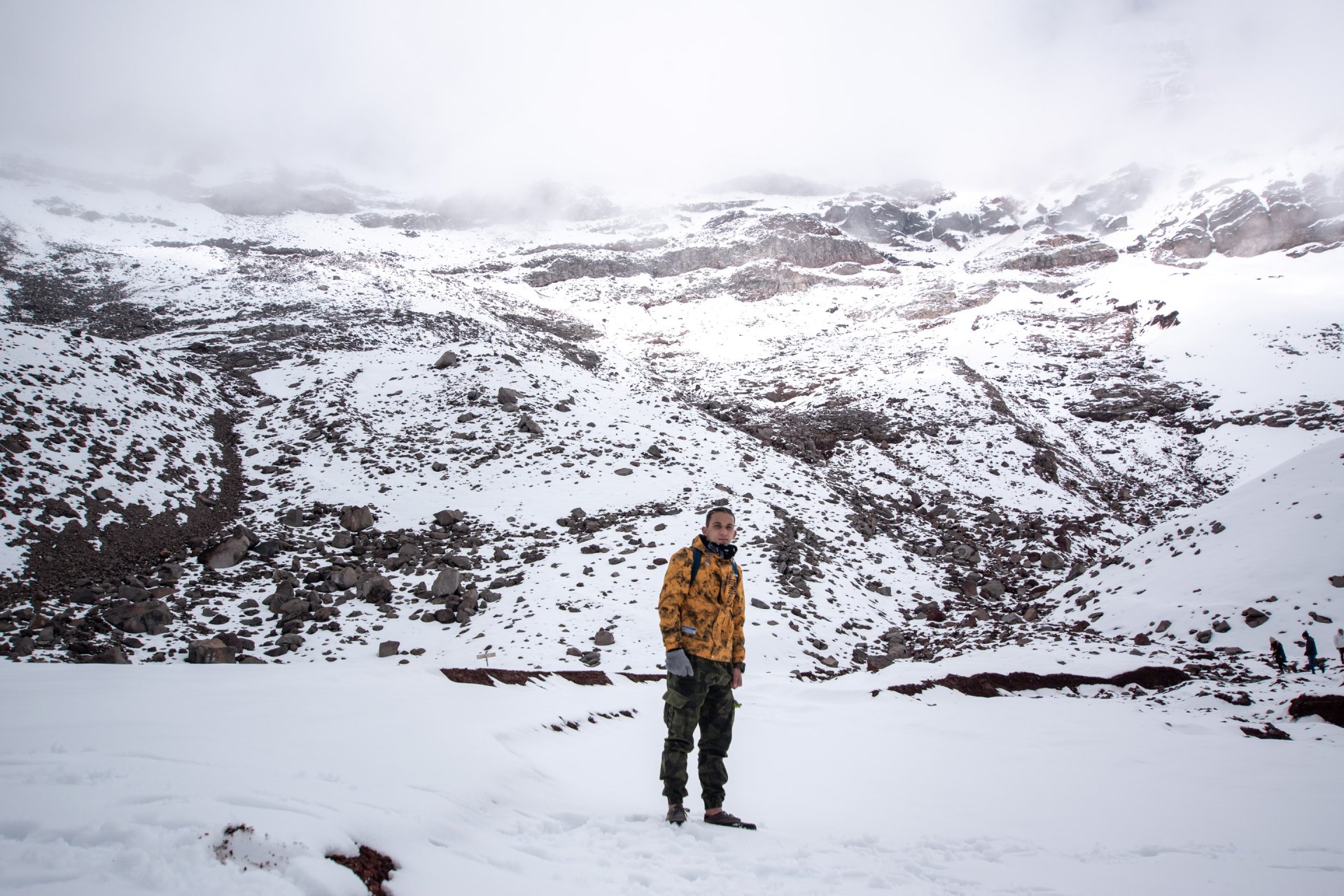
From the Pacific to the islands, find a place that feels like your kind of trip.
Local tourism, connected
List your hotel, restaurant or tourism business and start with the Free plan. Our team will review your submission.
TOURS IN ECUADOR
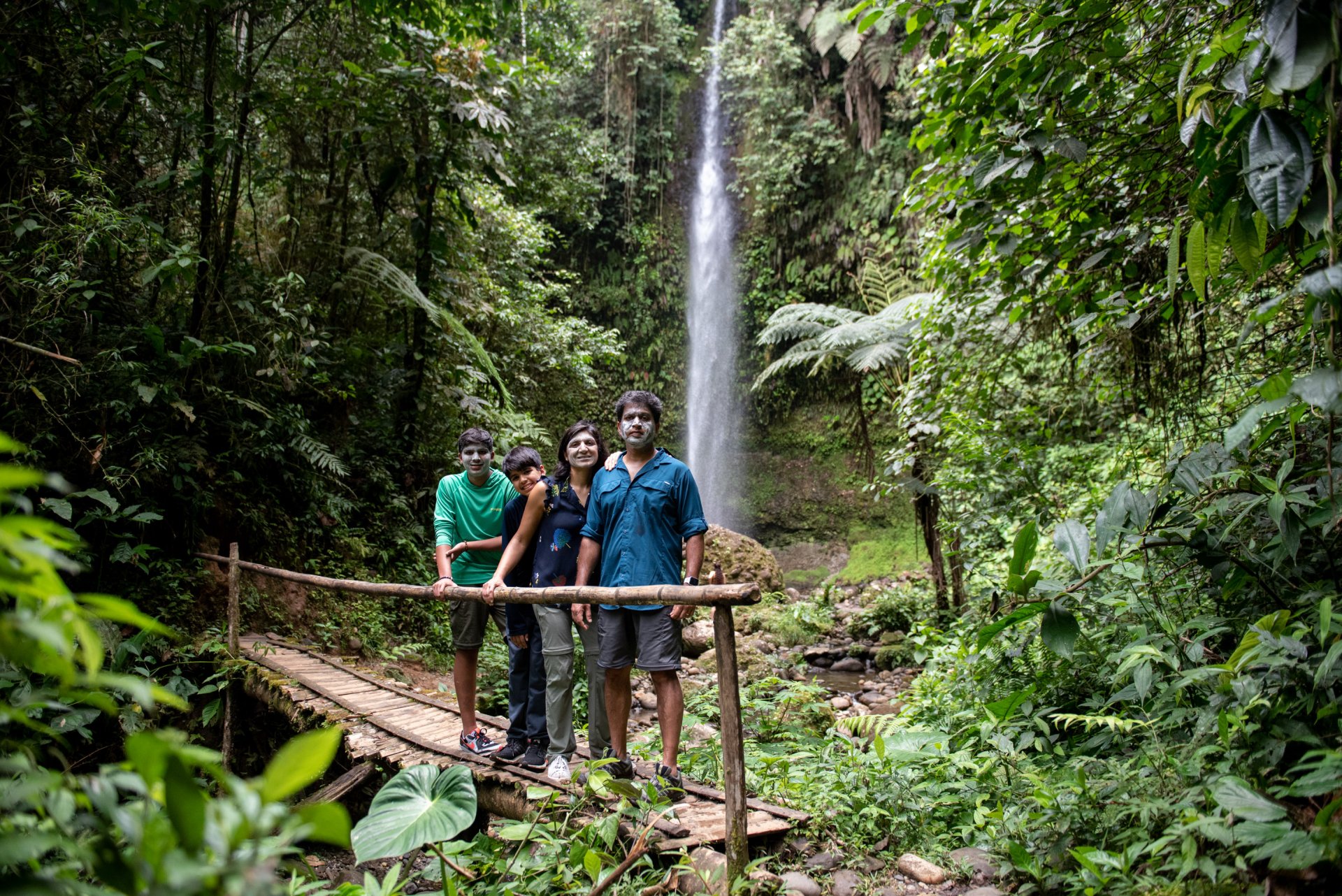
Rainforest, trails and adventure. Explore tours and ask each operator for the details.
ROOMS IN ECUADOR
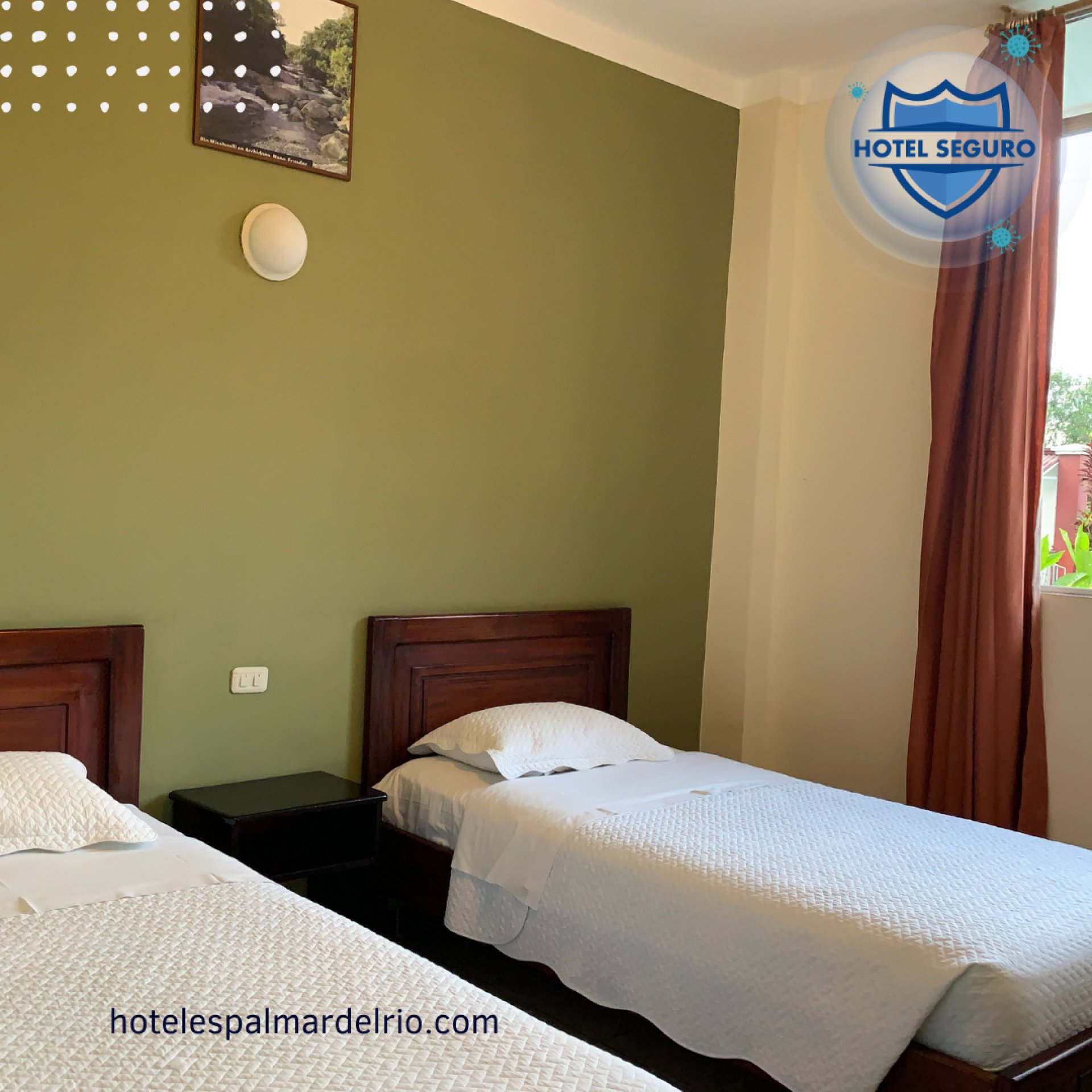
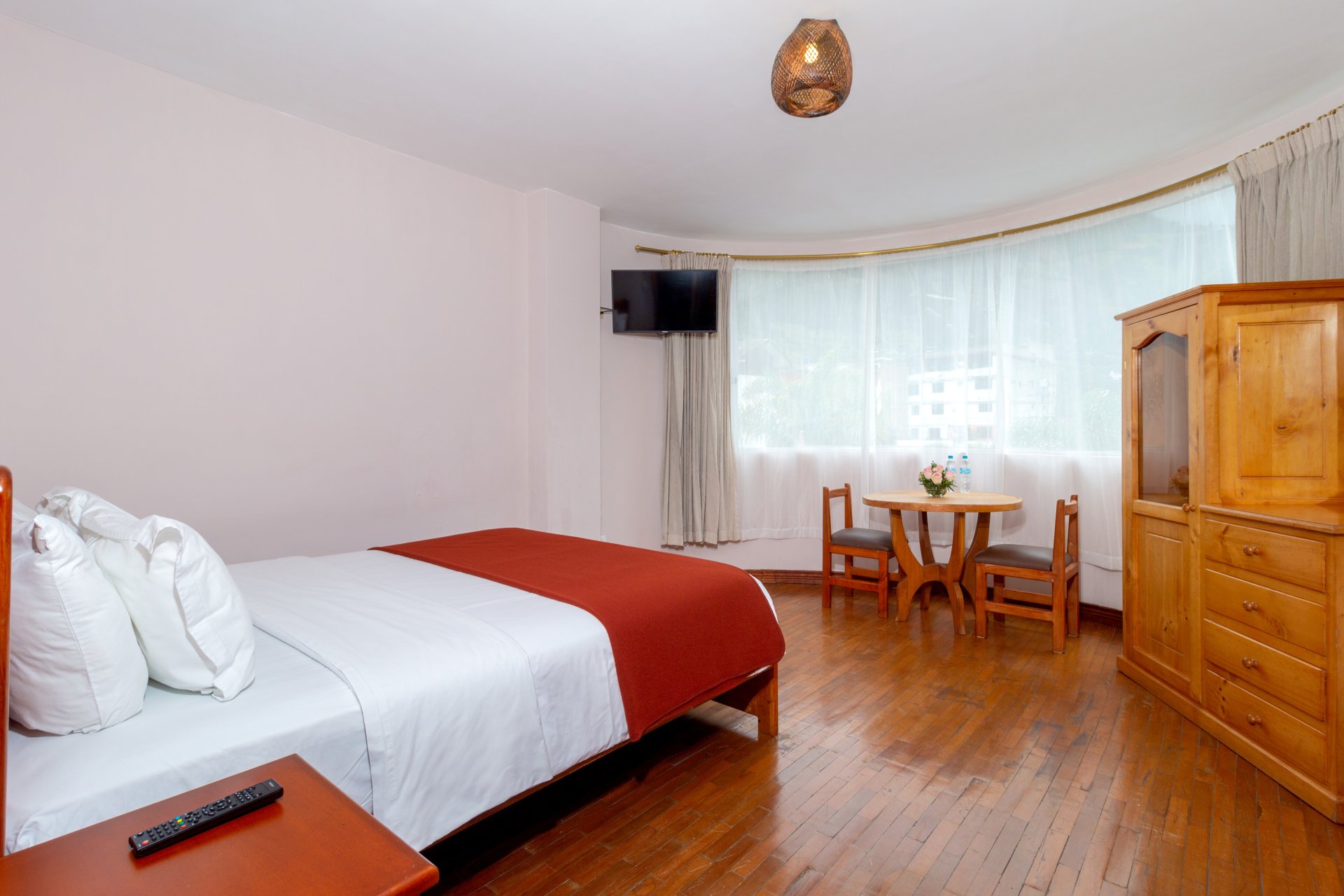
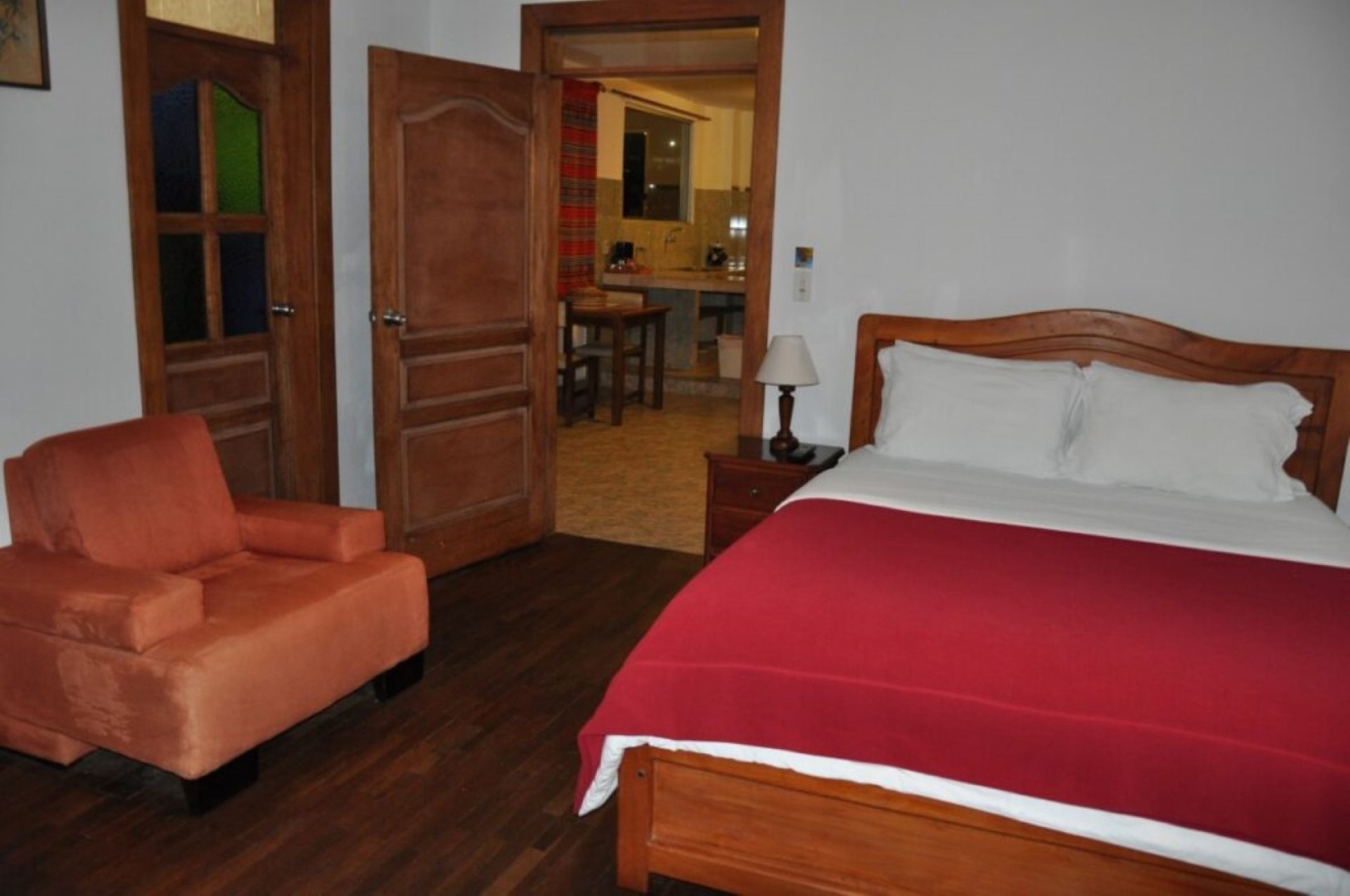
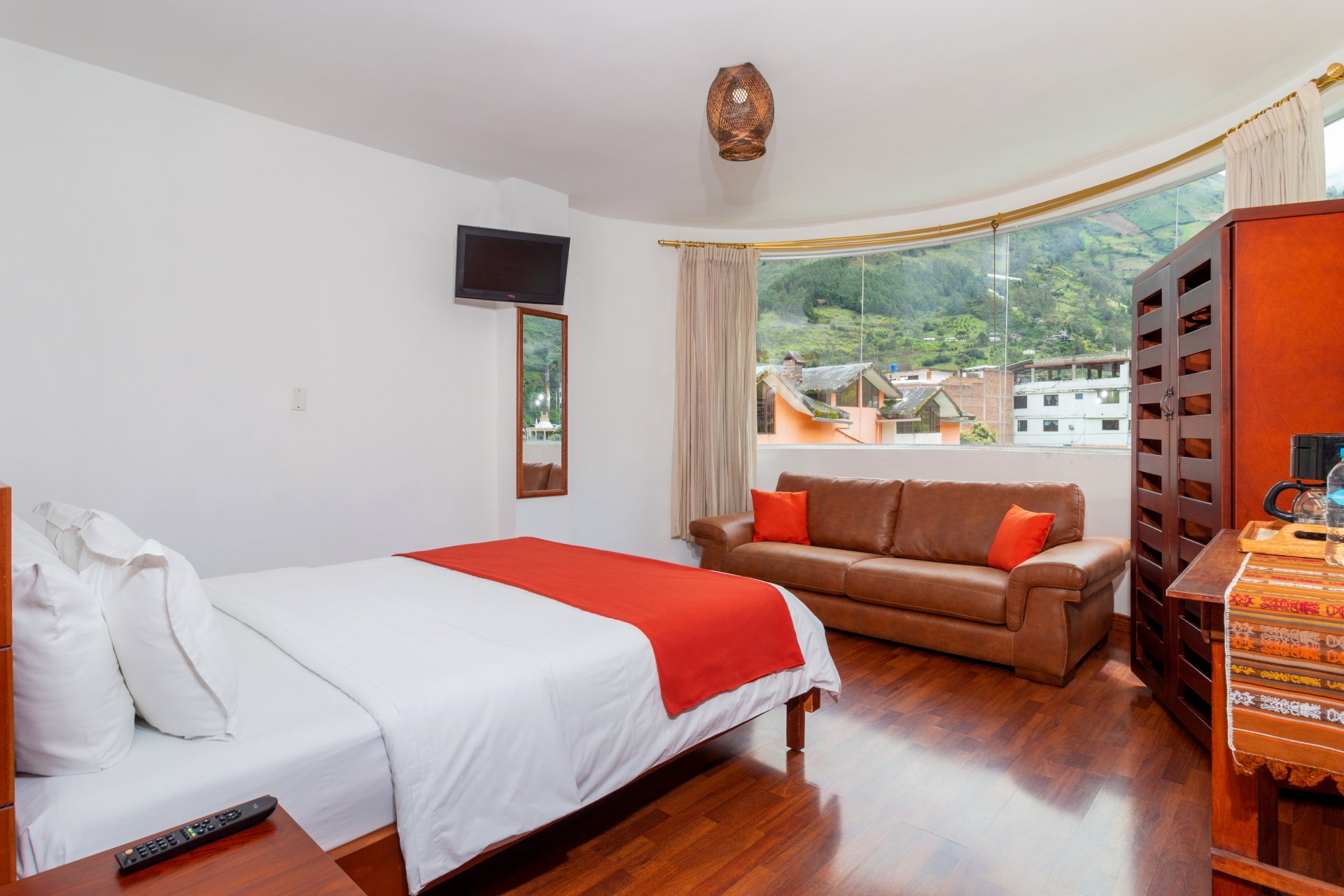
From a short escape to a longer stay. Find a place to stay and check availability directly.
explore and discover ecuador
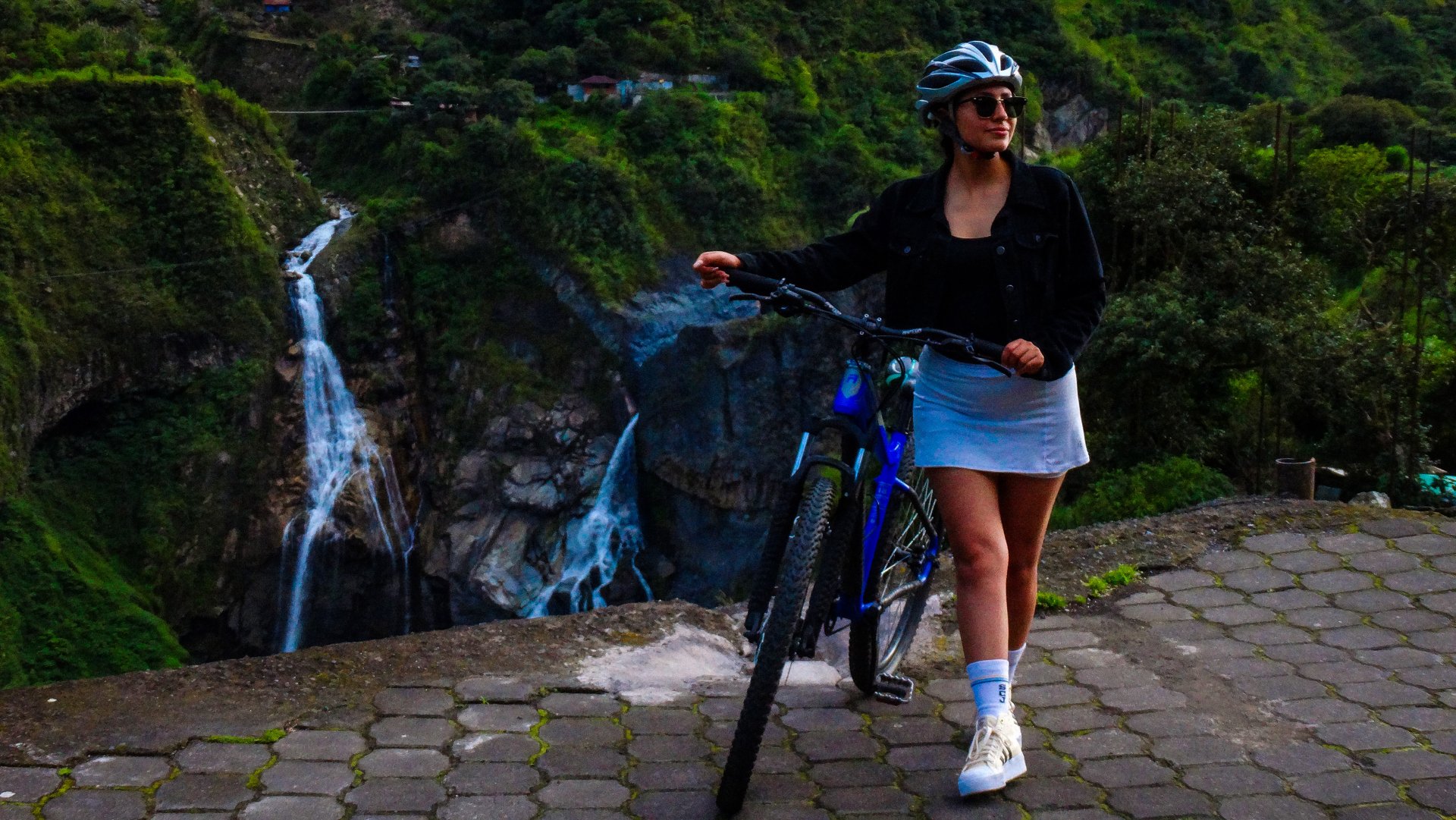
Waterfalls, landscapes and culture. Leave room to discover something new.

The Church and the convent "San Ignacio de Loyola" of the Society of Jesus, also known simply as "La Compañía", is a catholic complex located on the corner of Garcia Moreno and Sucre streets, in the historical center of Quito, capital of Ecuador, and cultural heritage of humanity. The facade of its main temple is carved in stone and is considered to be one of the most important expressions of the baroque architecture in America and the whole world. The inner decoration of the church is covered by 7 tons of sheets of 23-carat gold leaf, making it an economic and artistic heritage of incalculable value. As a tourist attraction, it is one of the most important in Quito. The company was visited by two popes, Juan Pablo II in 1985 and Francisco in 2015. The construction of the church took 160 years from 1605. All works conceived by European artists, to the church, were put into practice by mestizos as Bernardo Legarda and by indigenous artists such as Manuel Chili "Caspicara", that they printed their personal stamp through representations of native flora and symbols of the ancient villages of the Audience. The styles used are the baroque, the Mudejar or Moorish, the Churrigueresque and the neoclassical. “La Compañía” is a chest of colonial religious art treasures. Its exquisite art gallery houses works of the Quito School, exhibited on the walls of the church and the convent, including "The Four Evangelists", "The Cardinals of the Company of Jesus" and "The Sixteen Prophets". There are two sacred treasures in the temple: the remains of Saint Mary of Jesus, the first Ecuadorian Saint proclaimed in 1950 and the Picture of the Miracle of the Painful Virgin.

Temple, museum, convent cloister and university of theology and philosophy for the formation of catholic priests, San Francisco has worldwide fame. The complex is located in the historic center of the city of Quito, capital of the Republic of Ecuador and cultural heritage of humanity, in front of the square that has the same name. San Francisco is also known as "El Escorial del Nuevo Mundo", for its 13 cloisters, 3 temples and its huge atrium, totaling 40,000 square meters of construction. There is much to see and do in San Francisco, because in addition to its artistic heritage, it concentrates all kinds of activities: religious, political, educational and popular. As a container for the cultural heritage of Ecuador, it has a collection of over 4.000 works of colonial art, especially of the renowned “Quito School” founded by San Pedro Gocial. The museum takes its name; it has 7 rooms and two courtyards that you can visit. The temple is open to the public; it stands out the stairway that leads from the square to the atrium and the Cantuña chapel, known as “The Sistine Chapel of Quito's Art”. The San Francisco’s square, located in front of the church, was the scene of the most important historical events of Ecuador in the 20th century. It is also place for street art, a popular market and social interaction site. From 1535, the construction of the church and its complex extends for 150 years, giving rise to the first legends of the city of San Francisco from Quito, among them "The mysterious finger" and "Cantuña". Narrated by generations, these stories are part of the cultural heritage of Ecuador, which demonstrates the importance of this temple of legends and colonial art.

The Middle of the World is the perfect place for a walk, because it emphasizes the exact location of the Equator, from which the country of Ecuador takes its name. It is located in the parish of San Antonio de Pichincha, at the north of Quito’s city. The main attraction of the place is the monument to the middle of the world, that reminds the French-Spanish geodesic mission of the 18th century that located the site where the Equator passes; but the ethnographic museum of the Middle of the World is also there. The attraction complements with a small city around the monument called “Middle of the World City” (Ciudad Mitad del Mundo), which is a replica of a Spanish colonial village. In addition to this is important to name some other monuments that are located at the Equator, as they are: Catequilla Hill, the solar watch “Quitsato” and the ancient pyramid of Calacalí. The obelisk of the Middle of the World, which is 30 meters high, was built between 1979 and 1982. It ends in a globe of 4.5 meters in diameter and 5 tons. Inside it there is a small museum. There are four pavilions at the “Middle of the World City”. Pavilion “Oswaldo Guayasamín” has an exhibition of works by the famous Ecuadorian painter. Another of the pavilions is France, where the Geodesic Museum is located. At the sun’s pavilion there is some information exhibited about Guayaquil and Cuenca cities. The visitors can enjoy a total of 11 different attractions, some of these are: the Planetarium, a mockup of colonial Quito, the Insectarium (First Insect Museum of Ecuador) and the Craft Beer Museum. During weekends and holidays the visitors can enjoy festivals, dances and some others artistic expressions at the town square.

Intiñán. Quechua word that means Way of the Sun. It is the name of the Site Museum in San Antonio de Pichincha. It is 200 meters from the Museum and the Middle of the World City. Intiñán is a center of scientific and anthropological diffusion. Perhaps its most publicized aspect is the scientific one because of the "egg demonstration". Visitors are challenged to balance an egg on the head of a nail, in a perpendicular way. The Museum gives a certificate to those who succeed. The second surprising demonstration is the "Coriolis Effect". When the cap is removed from a container full of water, the drain is perpendicular. No schedule, no anti-clockwork. Two proofs that people are in the Middle of the World, on the Equator. Under its consequences. There's a second aspect not so well known. This is an anthropological museum. It spreads the solar knowledge of the Ecuadorian aboriginal peoples and their cultures. Intiñan has an attractive distribution. The Solar Cylinder or "Acoratene" to observe the movement of the Sun. In its center the Chakana. The kuri-cancha to celebrate equinoxes and solstices. With capacity for 400 people. The totemic forest and the Atlantis. The replica of a funeral tola. The Solar Calendar indicates the position of the earth in relation to the sun. The Shuar, Waorani, Qichua and Salasaca cultures have their very particular rooms. These expose their characters, customs, ways of life and the environment in which they develop. The visit is not complete without knowing something about the Galapagos Islands and seeing the Andean camelid corral. The Intiñán Museum, a family initiative, has several decades of experience. It is a project initiated in 1960 by professor, journalist and researcher Humberto Vera. It is continued by his son Fabián Vera. The San Antonio de Pichincha parish, north of Quito, is world famous. The Equinoctial Line, which divides the world into two halves, passes through this place.

The Fuya Fuya is preferred by tourists who like mountaineering in its different specialties.In the sector there are three trails that lead to the top of the hill from where you can see the top of the Imbabura, Cotacachi and Cayambe volcanoes. The scenic beauty offered by the sector is incomparable. You can climb the Fuya Fuya hill, which is the highest peak that surrounds the Mojanda lagoons and from its top you can see a large part of the inter-Andean alley of the Sierra Norte del Ecuador. LocationCerro Fuya FuyaThis hill is located near the Lagunas de Mojanda, passing the town of Pedro Moncayo, 17 km south of Otavalo.Activities: Climb to the top of Fuya Fuya Climb to the summit of Yanahurco Laguna Grande Ring Trekking Cochasquí Pyramids Trail - Laguna Chiquita Malchinguí Trail - Laguna Chiquita Yanahurco bypass Atahualpa Trail - Laguna Grande Laguna Grande ring road following the line of summits

Papallacta Hot Springs are a further demonstration of the hydrothermal wealth of Ecuador, also present in such emblematic sites as the city of Baños de Agua Santa (Holy Water Baths) or Baños of Cuenca city. The hot pools are located in Cayambe-Coca National Park and Ecological Reserve, near Quito city, the capital of the country. Papallacta is a village located at 3.250 meters above sea level in the Eastern Cordillera of the Ecuadorian Andes, on the road that leads from the city of Quito to the Amazon jungle. The hot springs’ waters originate in the Chacana volcanic complex that has 3 million years of activity, conformed by a huge caldera of 35 kilometers North-South and 15 kilometers East-West, which has half a hundred tributaries of hot springs. The hot waters that feed the water sources of Papallacta arise from deep geological layers to the surface, with all their healing potential. The temperature varies between 60 and 70 degrees Celsius and the pools temperature between 36 and 38 degrees Celsius. Odorless, colorless and slightly brackish flavored, are the physical characteristics of these waters. Among their chemical properties are sulfate, sodium, calcium, chlorine and magnesium. Since 1994 the Papallacta Hot Springs were remodeled as a visitors’ attraction. Before, they were considered only as municipal swimming pools. Today the tourists can enjoy a private hotel complex, with 9 pools of hot water and 4 pools of cold water and a spa thermal club. There is guiding service and horse rental to go to nearby sites such as Rancho del Cañón, the river and island trails, Mintala, Pailón and the waterfall in the Cayambe-Coca National Park to observe flora, fauna, wildlife or volcanoes such as Cayambe, Antisana and Sumaco.

The Mojanda Lagoons are surrounded by grasslands and remnants of native forests that maintain a representative biodiversity of the northern Andean moors. The lake complex is made up of three lagoons, the first and largest known as Caricocha or male lagoon which is of volcanic origin, next to this lagoon there are two smaller ones, Huarmicocha or female lagoon and Yanacocha or black lagoon, all of them will achieve transmit the tranquility of its waters and the life of its surroundings. It has crystal clear water, ideal for fishing, hiking and camping. LocationIt is located on the provincial border between Pichincha and Imbabura, at the foot of the Fuya Fuya hill at 4,263 meters above sea level; passing the town of Pedro Moncayo, 17 km south of Otavalo. The Mojanda lake complex is at the top of the Mojanda-Cajas knot mountain system and occupies the crater cauldron of the extinct Mojanda volcano.

This waterfall is made up of 2 jumps, the first jump is 15 m long, where it forms a small ford of 1 m and the second jump is 10 m long with a width of 1.50 m and forms a second ford of 8 m. The waters of this waterfall are transparent and cloudless and have a temperature of 9°C. The area of the waterfall is surrounded by natural vegetation and on the way to it we will find crops of the inhabitants of the area. How to get?We must go by car to the community of Mojandita, which is 20 minutes from Otavalo. Once there we can park the vehicle in the town to start a walk of approximately another 20 minutes until we reach the waterfall, since there are no roads for cars.If we do not have our own vehicle, we can hire a taxi or a van to take us to the Mojandita community, but the return to Otavalo will be on foot. Ticket cost: USD 3

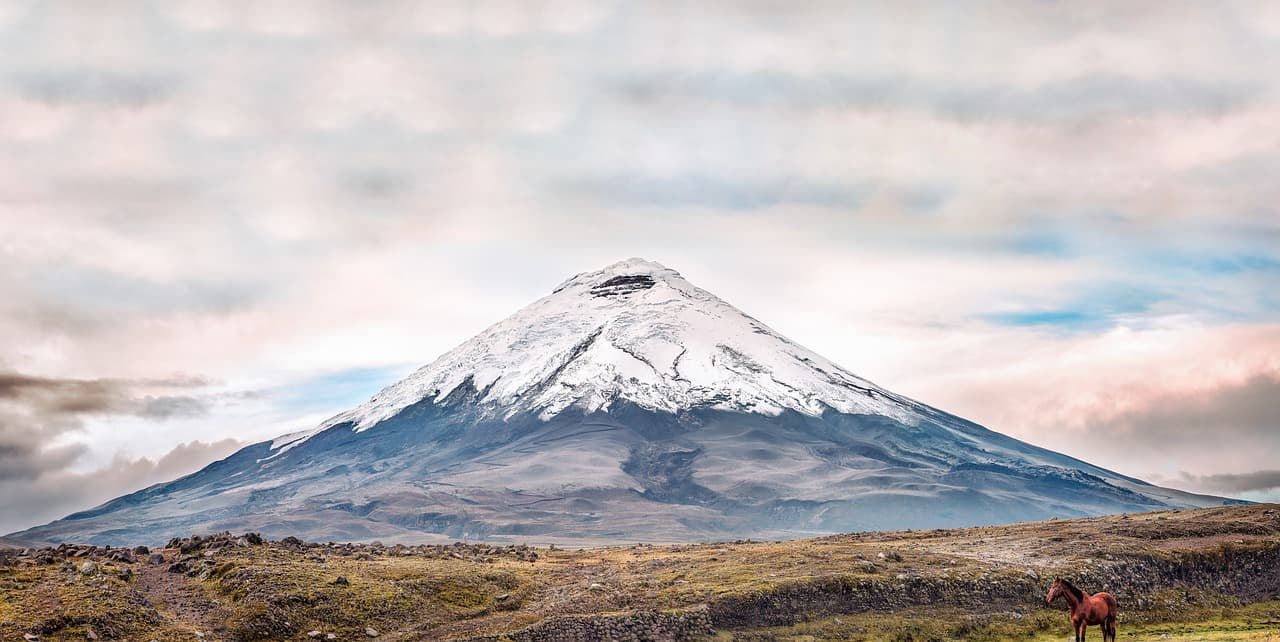
Limpiopungo or "Clean Door" is a lagoon between the Cotopaxi and Rumiñahui volcanoes. The natural landscape has a singular beauty. It is a permanent site and a must for all those who go on excursions to the Cotopaxi National Park. Another volcano that is part of the millenary scenario is the Sincholagua. Limpiopungo is located 13.5 km from the entrance to the Park, at the foot of the road that leads to the Cotopaxi Volcano Refuge. It is crossed by strong winds at surface level. The visitor can play at beating them. The mirror of the lagoon reflects the Rumiñahui volcano, a stone mass with the appearance of a mountain range. Landscape photography is the most rewarding activity that can be done in the place. When the weather is clear, spectacular shots of the Cotopaxi cone are obtained. Only one other volcano in the world is so beautiful and portrayed, Mount Fuji in Japan. The biodiversity of the moor is present in and around its calm waters. At 3,900 meters above sea level, it is a sanctuary for the rest and reproduction of the Andean gull, ducks, hummingbirds, curiquingues, condors and other bird species. Wild horses run and llamas graze on the nearby plains. It is also the habitat for deer, lizards, rabbits and spectacled bears. Those who have the opportunity to visit Limpiopungo feel that it has a special energy. It is considered a nature destination for people with different abilities and families. There is a trail that surrounds the whole lagoon. To enjoy the silence. It is possible to walk it or ride a bike. Limpiopungo. Perfect base to know the Cotopaxi National Park: the route of ascent to the Rumiñahui, mountain bike trails, camping in the Rinconada, arrive at the José Rivas Refuge and the glacier, visit the archaeological site El Salitre. The Cotopaxi National Park was created in August 1975. Its name is due to the active volcano Cotopaxi of 5.897 msnm.

The Centennial Market or also called "Plaza de Ponchos", is one of the most visited places by national and foreign tourists. Thousands of artisans and merchants, most of them from Otavaleño, gather in this plaza, who go out every day of the week to exhibit their crafts, especially on Saturdays when the fair extends to the nearby streets due to its magnitude and importance. Here you can find everything from fabrics, hats, jewelry, embroidery, bracelets to works made of wood or clay. You can also find traditional handicrafts where their design, raw material and quality have changed, but still reflect the work of the Otavaleño people. In this place you can see paintings from Tigua, tapestries from the Salasacas, carvings from San Antonio de Ibarra, leather goods from Cotacachi, handicrafts from the Saraguros, from the Kichwa from the east; with this Otavalo becomes a cultural center.How to get?From Otavalo, it is located on Antonio José de Sucre and Quiroga streets, 3 blocks from the terminal, towards the southern end of Otavalo.

The most famous indigenous market of Ecuador is the one of Otavalo canton, northern of Quito city. Its unique beauty in South America lies in the kindness of the Otavaleños indigenous, the extraordinary offer of traditional products and the experience of the Ecuadorian Andean culture, full of tradition frozen in time. Saturday is a unique day to visit Otavalo, because its market spreads all over the city, having the “Plaza de los Ponchos” as its center, where the traditional market is located. It is the only day of the week in which lots of diversity in the production of clothes and fabrics can be appreciated, since the rest of the days the commercial activity is reduced to the Plaza and the shops that are around it. At the market you can find: ponchos, sweaters, armadillo charangos, paintings, jewelry, craftworks, tapestries, etc. The best offers and prices are achieved by haggling and walking up the distant streets, as Otavalo is a single market. The modern economic and textile boom of the Otavaleños dates back to 1960. Otavalo products are now found in the markets of the world, in South America, the United States, Europe or Asia. The surroundings of Otavalo also offer much to the visitor. It is easy to go to Peguche, San José de la Bolsa, Selva Alegre, Cotama, Agato and Ilumán, to appreciate the textile skills of the indigenous people directly or to buy their productions directly from the artisans. In Cotacachi there is a large leather industry and in San Antonio there is the wood carving. The enumeration continues with the Waterfall of Peguche, or the lakes where moments of distraction can be spent at: Mojanda, San Pablo, Cuicocha and Yaguarcocha lakes.For the photography enthusiast, a great option is the Animal Market, early in the morning and also on Saturday. From Otavalo it is easy to admire the beauty of its imposing mountains such us the Imbabura and its telluric couple, the Mama Cotacachi.
Your travel companion
Keep discovering on the move. Bring BuenTrip destinations, experiences and local contacts along on your phone.
Available for iOS and Android.
tourism services in ecuador
Local accommodation, agencies and services. Connect directly with the people who know Ecuador.
Discover EcuadorDiscover EcuadorDiscover EcuadorDiscover EcuadorDiscover EcuadorDiscover EcuadorDiscover EcuadorDiscover Ecuadoreditorial archive
Explore our tourism articles. Check each publication date: events and calendars may refer to previous years.

The city of Ambato, known as the land of flowers and fruits, is the scene for a magical and colorful celebration that takes place every year in late February or early March, during the carnival festivities. It is one of the most important and popular events in the country, known as the Flower and Fruit Festival, that in 2009 was declared as part of the Intangible Cultural Heritage of Ecuador. Programa Oficial de eventos coloridos por la Fiesta de las Flores y las Frutas 2023, en Ambato que se celebrará durante febrero y marzo, meses del feriado de carnaval.

Ecuador is a popular tourist destination that offers a wide range of experiences, from exploring the Andes mountains, to visiting the Amazon rainforest, to relaxing on the beaches of the Pacific coast. Some of the main attractions in Ecuador include: The Galápagos Islands: This group of islands is located about 1,000 kilometers off the coast of Ecuador and is known for its diverse and unique wildlife. Visitors can take a cruise or a land-based tour to explore the islands and see animals such as giant tortoises, sea lions, and iguanas. Quito: The capital city of Ecuador is located in the Andes mountains and is known for its well-preserved colonial architecture. Visitors can explore the historic center, which is a UNESCO World Heritage site, and visit landmarks such as the Basilica del Voto Nacional and the Presidential Palace. The Amazon rainforest: Ecuador has a large section of the Amazon rainforest located in the eastern part of the country. Visitors can take tours to explore the rainforest, see wildlife and learn about the indigenous people living in the area. Otavalo: This town is located in the Andes mountains and is known for its indigenous market where visitors can buy textiles, jewelry, and other crafts. Cuenca: This charming colonial city is known for its well-preserved architecture and is another UNESCO World Heritage site. Visitors can explore the historic center and visit landmarks such as the Catedral Nueva and the Parque de la Madre. Ecuador is also popular for adventure activities such as hiking, rock climbing, mountain biking and paragliding, among others.

CALENDARIO DE FERIADOS NACIONALES 2023 Año Nuevo Domingo 01 de enero se traslada al lunes 2 de enero Carnaval Lunes 20 y martes 21 de febrero Viernes Santo Viernes 07 de abril Día del Trabajo Lunes 01 de mayo Batalla del Pichincha Miércoles 24 de mayo se traslada al viernes 26 de mayo Primer Grito de Independencia Jueves 10 de agosto se traslada al viernes 11 de agosto Independencia de Guayaquil Lunes 09 de octubre Día de Difuntos Jueves 02 de noviembre Independencia de Cuenca Viernes 03 de noviembre Navidad Lunes 25 de diciembre CALENDARIO DE FERIADOS NACIONALES 2024 Año Nuevo Lunes 01 de enero Carnaval Lunes 12 y martes 13 de febrero Viernes Santo Viernes 29 de marzo Día del Trabajo Miércoles 01 de mayo se traslada al viernes 03 de mayo Batalla del Pichincha Viernes 24 de mayo Primer Grito de Independencia Sábado 10 de agosto se traslada al viernes 09 de agosto Independencia de Guayaquil Miércoles 09 de octubre se traslada al viernes 11 de octubre Día de Difuntos Sábado 02 de noviembre se traslada al viernes 01 de noviembre Independencia de Cuenca Domingo 03 noviembre se traslada al lunes 04 de noviembre Navidad Miércoles 25 de diciembre CALENDARIO DE FERIADOS NACIONALES 2025 Año Nuevo Miércoles 01 de enero Carnaval Lunes 03 y martes 04 de marzo Viernes Santo Viernes 18 de abril Día del Trabajo Jueves 01 de mayo se traslada al viernes 02 de mayo Batalla del Pichincha Sábado 24 de mayo se traslada al viernes 23 de mayo Primer Grito de Independencia Domingo 10 de agosto se traslada al lunes 11 de agosto Independencia de Guayaquil Jueves 09 de octubre se traslada al viernes 10 de octubre Día de Difuntos Domingo 02 se traslada al martes 04 de noviembre Independencia de Cuenca Lunes 03 de noviembre Navidad Jueves 25 de diciembre

The 2nd edition of the National Meeting of Internal Tourism ENTUR 2022, held from September 5 in Riobamba, Chimborazo, was the stage to highlight the resilience of the sector and to learn about the strategies proposed and executed for the recovery and reactivation of the industry , showing significant progress. The event organized by the Prefecture of Chimborazo in coordination with the Ministry of Tourism, the private company and the academy, was carried out with several activities, with the presence of the head of Tourism, Niels Olsen. One of them was the National Tourism Forum (FONATUR), where recognition was given to 21 organizations that, from July 2021 to August 2022, have worked to reactivate, create and reinvent spaces, sources of employment and the improvement of the tourism industry. Ecuadorian. One of them was Ismar Kourroski, general director of the Oro Verde Hotels chain, who expressed his interest in continuing to invest in Ecuador and his satisfaction at being part of the national tourism sector. For her part, Gabriela Guayasamín, representing the Association of Tourism Wholesalers, Asomatur, explained that the pandemic was a challenge that could be faced with joint work and the creation of innovative products to reinvent the sector. “We are companies that want to work for the progress of the country, within the guaranteed formality. In this space, a discussion was also held where the panelists shared their experiences in the reactivation of the industry. Minister Olsen recorded that almost a year earlier, in that same space, the work expectations for tourism were explained, and today it is already possible to account for the results obtained. “To reactivate ourselves, we planned a comprehensive strategy, accompanied by vision, will and cooperation. All uses to pitch in! And that was what happened," he said, mentioning among the achievements the massive vaccination of members of the tourism sector, an important step that adds to the recovery of air connectivity and passenger arrivals, indicating that, for example we have recovered 95% of the arrivals of Americans that we had before the pandemic. Another of the actions that will continue to consolidate this recovery will take place on September 16, the date scheduled for the signing of the open skies agreement with the United States. While on September 27, on the occasion of World Tourism Day, the official launch of the Nomadic Visa will take place, as well as other actions that this state portfolio has been carrying out. Likewise, mention the financial relief actions for the industry with facilities for the refinancing of debts with the SRI and the IESS, as well as the consolidation of debts with the CFN and access to credits in favorable conditions with BanEcuador. He also explained that the promotion of the Ecuador destination has been developed with the support of President Guillermo Lasso who, prioritizing the sector, ordered the exhibition of more than 47 million dollars to promote the country between 2022 and 2025, which has been done in this year with the presence in more than 10 international tourism events, and the planning of 30 more actions on a national and international scale. On the other hand, he announced that the national campaign will be carried out soon and that members of the sector interested in participating in multiple events scheduled internationally will be able to register on the page https://ecuador.travel/es/. The prefect of Chimborazo, Juan Pablo Cruz, highlighted the province has been part of several promotional actions that are marked in the budget assigned by the National Government. "Where there is tourism, the indicator of poverty and unsatisfied needs goes down, because the authorities understand that in those places they have to invest in infrastructure to improve the indicators of visits and tourist spending," he said. ENTUR also had other activities such as Congretur, from September 5 to 7, where the tourism reality of the country and the region was discussed. The Festival of the Andes was also held, with an important stage to promote local and national artists, and the ECUADOR FEST Tourism and Gastronomic Fair, where destinations and innovative enterprises were exhibited. This last event was attended by 400 entrepreneurs from the 24 provinces to expose their offer of tourism products to the general public. One of them was Carlos Vera Zambrano, a native of Chone, province of Manabí, who offers experiential experiences with the artisanal elaboration of his products derived from cocoa and coffee, and who was enthusiastic about exhibiting his work in this tourist event. The National Government promotes activities with a vocation for working together for tourism and that promotes dialogue to generate strategies that support the economic recovery and reactivation of the country.
Browse the tourism services available all over Ecuador.
Find the ideal city for your next trip and discover everything about it.
Find the main tourist attractions in the main cities of Ecuador.